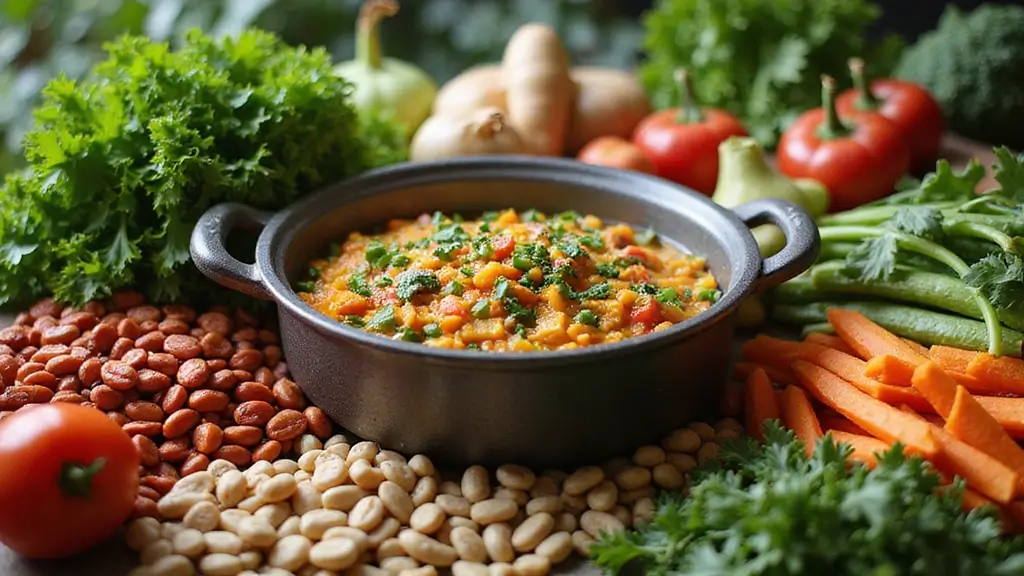
Discovering Delicious and Nutritious Vegetarian Low-Calorie Meals
Embarking on a journey to healthier eating often involves seeking out meals that are both satisfying and supportive of your wellness goals. For many, this means exploring vegetarian low calorie meals. A plant-based approach to low-calorie eating isn't just about restricting food; it's about embracing a vibrant array of nutrient-dense ingredients that nourish your body, boost your energy, and aid in sustainable weight management. Far from bland or restrictive, these meals can be incredibly flavorful, diverse, and surprisingly filling, proving that healthy eating can indeed be a joyous culinary experience.
Whether you're a long-time vegetarian, a flexitarian, or simply curious about incorporating more plant-based options into your diet, understanding how to construct delicious low calorie vegetarian recipes is key. This article will guide you through the benefits, key components, and practical ideas for creating incredible plant-forward dishes that don't compromise on taste or satisfaction, all while keeping your calorie intake in check.
The Undeniable Benefits of a Vegetarian Low-Calorie Diet
Choosing vegetarian low calorie meals offers a multitude of advantages beyond just calorie control. This dietary approach naturally encourages the consumption of foods rich in essential vitamins, minerals, and fiber, while often being lower in saturated fat and cholesterol compared to traditional meat-centric diets. Here are some of the standout benefits:
- Sustainable Weight Management: Plant-based foods, particularly vegetables, fruits, and legumes, are inherently lower in calories and higher in fiber. This means you can eat larger portions and feel fuller for longer, naturally reducing overall calorie intake without feeling deprived. Fiber also aids digestion and helps stabilize blood sugar levels.
- Improved Heart Health: A diet rich in plants is often associated with lower blood pressure and reduced risk of heart disease. By limiting processed foods and focusing on whole ingredients, you naturally decrease your intake of unhealthy fats and sodium.
- Enhanced Digestive Health: The high fiber content in a vegetarian diet promotes a healthy gut microbiome, leading to better digestion and regularity. This can alleviate common digestive issues and contribute to overall well-being.
- Increased Energy Levels: Fueling your body with nutrient-dense foods provides a steady release of energy, avoiding the "crashes" often associated with highly processed or sugary foods. You'll likely feel more vibrant and less sluggish.
- Reduced Risk of Chronic Diseases: Studies suggest that vegetarian diets can lower the risk of type 2 diabetes, certain cancers, and other chronic health conditions due to their antioxidant and anti-inflammatory properties.
Embracing a plant-based low calorie approach is not just a diet; it's a lifestyle shift that can lead to profound and lasting health improvements.
Key Components of Delicious & Nutritious Vegetarian Low-Calorie Meals
Crafting balanced and satisfying vegetarian low calorie meals revolves around understanding the building blocks of a healthy plant-based plate. It’s about smart substitutions, generous portions of nutrient-dense foods, and creative flavor combinations.
Protein Powerhouses for Satiety
Protein is crucial for feeling full and maintaining muscle mass, even on a low-calorie diet. Luckily, the plant kingdom is brimming with excellent sources:
- Legumes: Lentils, chickpeas, black beans, kidney beans, and cannellini beans are incredibly versatile, high in protein and fiber, and very budget-friendly. A simple lentil soup or a chickpea salad can be a perfect low-calorie lunch.
- Tofu and Tempeh: These soy-based products are fantastic meat alternatives. Tofu can be baked, pan-fried, or scrambled, absorbing flavors beautifully. Tempeh, made from fermented soybeans, offers a firmer texture and a nutty taste, making it ideal for stir-fries or grilling.
- Edamame: Steamed edamame in their pods make for a wonderful snack or addition to salads, offering both protein and fiber.
- Seitan: Made from wheat gluten, seitan has a chewy, meat-like texture and is a concentrated source of protein.
Fiber-Rich Vegetables: The Foundation of Low-Calorie Eating
This is where you can truly load up your plate without significantly increasing your calorie count. Vegetables are packed with vitamins, minerals, and antioxidants, and their high fiber and water content help keep you feeling full.
- Leafy Greens: Spinach, kale, romaine, mixed greens – use them as a base for salads, add them to smoothies, or wilt them into hot dishes.
- Cruciferous Vegetables: Broccoli, cauliflower, Brussels sprouts, and cabbage are incredibly nutritious and versatile. Roasting or steaming them brings out their natural sweetness.
- Non-Starchy Vegetables: Zucchini, bell peppers, mushrooms, green beans, asparagus, and cucumbers are perfect for stir-fries, omelets, and snacks.
Wholesome Grains (in Moderation) and Healthy Fats (Sparing Spoons)
While some grains can be higher in calories, whole grains like quinoa, oats, and whole wheat pasta (in controlled portions) offer essential nutrients and sustained energy. When it comes to fats, focus on healthy sources like avocado, nuts, and seeds, but remember they are calorie-dense, so use them sparingly to keep your vegetarian low calorie meals balanced. A sprinkle of chia seeds or a quarter of an avocado can add richness and satiety without derailing your calorie goals.
Easy & Flavorful Vegetarian Low-Calorie Meal Ideas
Creating delicious healthy vegetarian meals doesn't require gourmet skills. Here are some simple, practical ideas for every meal of the day, proving that low-calorie doesn't mean low-flavor:
Breakfast: Start Your Day Right
- Tofu Scramble with Veggies: Crumble firm tofu and sauté it with your favorite low-calorie vegetables like spinach, bell peppers, and mushrooms. Season with turmeric for color and black salt for an eggy flavor.
- Berry & Spinach Smoothie: Blend spinach (you won't taste it!), mixed berries, a scoop of plant-based protein powder, and unsweetened almond milk. For more breakfast inspiration, check out our guide on vegetarian low calorie meals - Article 2.
- Oatmeal with Fruit: Cook rolled oats with water or unsweetened plant milk. Top with a handful of fresh berries and a sprinkle of cinnamon.
Lunch: Light and Satisfying
- Gigantic Green Salad with Chickpeas: Load up a bowl with mixed greens, cucumber, tomatoes, bell peppers, shredded carrots, and a generous portion of roasted chickpeas. Dress with a light vinaigrette made from apple cider vinegar, a tiny bit of olive oil, and herbs.
- Lentil Soup: A hearty and filling soup made with lentils, carrots, celery, and diced tomatoes. It’s incredibly nourishing and can be made in a big batch for meal prep.
- Veggie and Hummus Wraps: Use whole wheat tortillas or large lettuce leaves. Spread a thin layer of hummus and fill with plenty of sliced vegetables like bell peppers, spinach, shredded carrots, and cucumber.
Dinner: Flavorful & Filling Feasts
- Sheet Pan Baked Tofu with Roasted Vegetables: Marinate cubes of firm tofu in soy sauce, ginger, and a touch of maple syrup. Toss with broccoli florets, bell pepper strips, and zucchini slices. Roast until tender and slightly crispy.
- Zucchini Noodle Stir-Fry: Swap traditional noodles for zucchini noodles. Stir-fry with plenty of colorful vegetables and your choice of protein like edamame or tempeh, with a light, flavorful sauce. If you're looking for even more dinner options, our article on vegetarian low calorie meals - Article 3 has plenty of ideas.
- Stuffed Bell Peppers: Halve bell peppers and fill with a mixture of cooked quinoa, black beans, corn, diced tomatoes, and spices. Bake until the peppers are tender.
Snacks: Smart Choices
- Vegetable sticks with a small portion of hummus or salsa.
- A handful of almonds (be mindful of portion size!).
- Fresh fruit like apples, oranges, or a small banana.
- Air-popped popcorn (no butter or excessive salt).
Tips for Success with Vegetarian Low-Calorie Meals
To truly thrive on a diet of vegetarian low calorie meals, consider these practical tips:
- Meal Planning & Prep: Dedicate time each week to plan your meals and do some basic prep. Chopping vegetables in advance or cooking a batch of grains can save significant time and make healthy eating easier throughout the week.
- Portion Control: Even healthy foods have calories. Pay attention to portion sizes, especially for grains, healthy fats, and starchy vegetables.
- Hydration is Key: Drink plenty of water throughout the day. Sometimes, what feels like hunger is actually thirst. Water also aids digestion and keeps you feeling full.
- Spice it Up: Don't be afraid to experiment with herbs and spices. They add incredible flavor without adding calories. Think chili flakes, garlic, ginger, turmeric, cumin, and fresh herbs like cilantro and parsley.
- Cooking Methods Matter: Opt for baking, grilling, steaming, or stir-frying with minimal oil over deep-frying.
- Listen to Your Body: Pay attention to hunger and fullness cues. Eat mindfully and savor your food.
Conclusion
Adopting a diet rich in vegetarian low calorie meals is a powerful step towards improved health, sustainable weight management, and a more vibrant lifestyle. By focusing on nutrient-dense plant-based proteins, fiber-rich vegetables, and judiciously incorporating wholesome grains and healthy fats, you can create a diverse array of delicious and satisfying dishes. Remember, this journey is about nourishing your body with goodness, not deprivation. With a little planning and creativity, you'll discover that eating low-calorie and plant-based can be an incredibly rewarding and flavorful experience. Embrace the bounty of the plant kingdom and enjoy the numerous benefits that follow.
